Best South Indian Masala Dosa Near Me in Glenview, IL
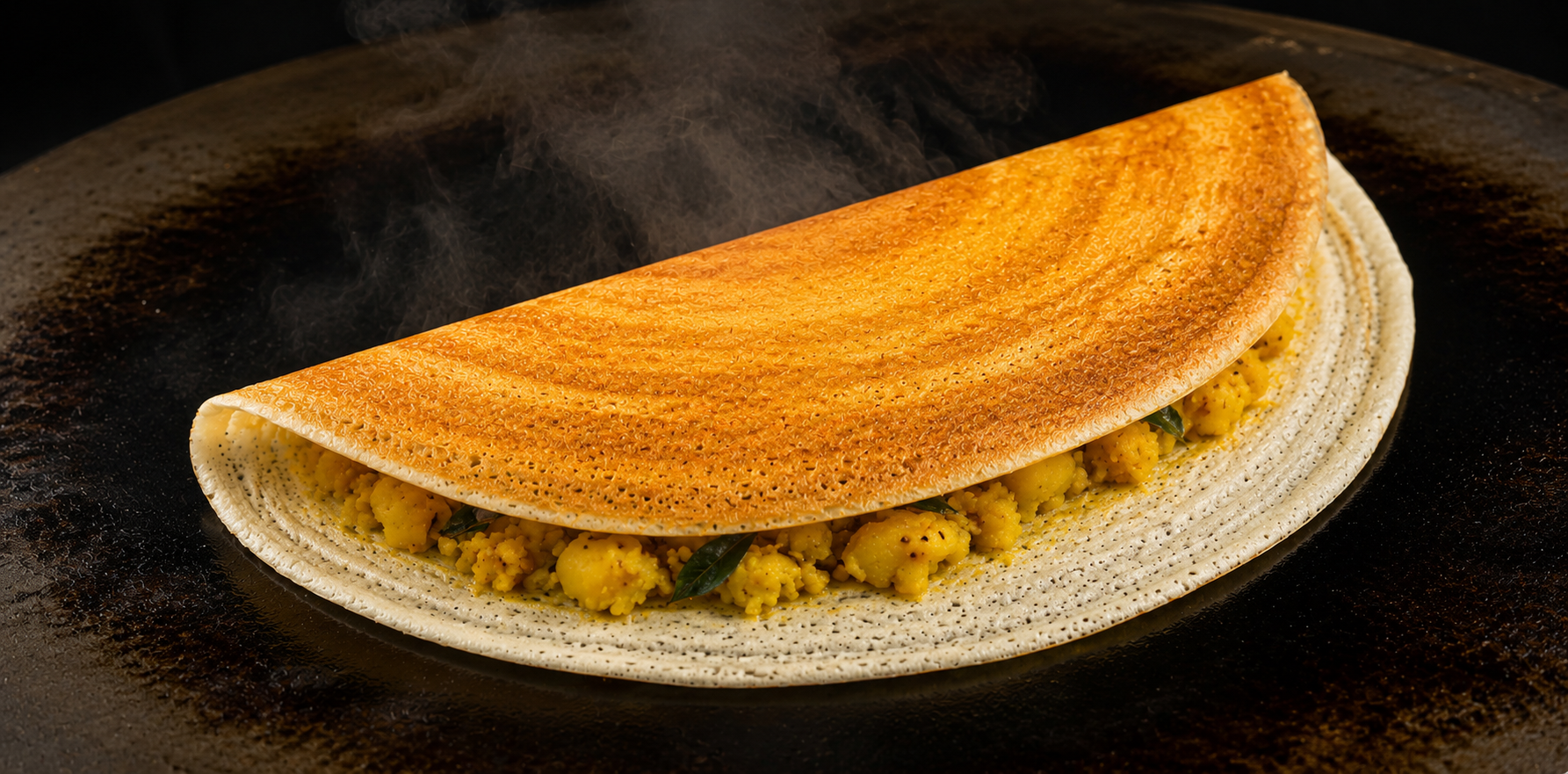
Finding a satisfying masala dosa is not only about locating an Indian Restaurant in Glenview IL. Diners want a crisp dosa, seasoned potato filling, balanced chutneys, and well-seasoned sambar. Searches such as “Best South Indian Masala Dosa Near Me” or “Indian restaurant near me” reflect a practical decision: where can someone enjoy a regional South Indian classic for breakfast, lunch, dinner, or a family meal?
Masala dosa looks simple, but fermentation, griddle temperature, filling, and serving time can change the experience. Knowing what to look for helps diners choose confidently.
What Are Diners Looking for in a Masala Dosa?
People searching for Masala Dosa Near Me Glenview IL usually want more than convenience. They want crisp texture, fresh batter, savory potato masala, reliable vegetarian choices, and accompaniments that make the meal complete. Many also need a dish suitable for a quick office lunch, a weekend breakfast, or casual family dining.
Masala dosa is especially sensitive to timing. It is best soon after leaving the griddle. The exterior should be thin, light, and brittle, while the center remains flexible enough to fold around the filling without turning chewy.
For diners comparing Indian Food Near Me Glenview IL, menu size is not the best measure. With dosa, freshness, texture, fermentation, and balance matter more than elaborate presentation.
Why Does Masala Dosa Taste Different Everywhere?
Masala dosa varies because batter fermentation, rice-to-lentil ratio, griddle heat, cooking fat, and potato seasoning are rarely identical. Some versions are thin and deeply crisp, while others are softer. The filling may be mild and turmeric-forward or sharper with mustard seeds, onions, ginger, curry leaves, and green chile.
One fact many diners do not know is that dosa batter is fermented rather than simply mixed. Rice and urad dal are soaked, ground, combined, and rested. Fermentation creates a gentle tang, improves spreadability, and helps form the tiny air pockets that give a dosa its light texture.
Griddle control is equally important. If the surface is too hot, the batter will not spread properly. If it is too cool, the dosa may become pale and leathery. Skilled cooks adjust the temperature repeatedly between orders.
The potato filling should also have structure. A well-prepared masala contains tender potato pieces, aromatic tempering, soft onion, and enough moisture to remain tender without making the dosa soggy.
How Is a Traditional Masala Dosa Made?
A traditional masala dosa is made by spreading fermented rice-and-lentil batter in a thin circle on a hot griddle, cooking it until crisp, and folding it around spiced potatoes. It is commonly served with coconut chutney and sambar, creating a plate with contrasting textures, temperatures, acidity, richness, and gentle heat.
The dosa contributes roasted, lightly tangy notes. Potato masala brings warmth and softness. Coconut chutney cools the palate, while sambar adds lentil richness, vegetables, tamarind acidity, and toasted spices.
There is a practical reason the accompaniments are served separately. Pouring sambar over the dosa too early softens its crisp shell. Regular diners often tear off small pieces, add a little filling, dip lightly into chutney or sambar, and eat immediately.
Masala dosa is closely linked with South Indian Breakfast Glenview IL searches, but it is not limited to mornings. Across South India, dosa is also enjoyed as an evening tiffin or light meal, making it suitable for lunch or dinner in Glenview.
What Should First-Time Diners Order?
First-time diners should begin with a classic masala dosa, coconut chutney, and sambar before trying richer or spicier variations. This combination reveals how well the kitchen handles fermentation, crispness, potato seasoning, and balance. When sharing, add idli or vada to experience different South Indian cooking techniques without ordering several similar dishes.
Idli offers a soft, steamed contrast to crisp dosa, while vada adds a crunchy exterior and airy lentil center. Together, they show how rice and lentils change through steaming, griddling, and frying.
Children or spice-sensitive diners may enjoy plain dosa with mild coconut chutney, while others can combine sambar, potato masala, and spicier chutneys.
Madurai Kitchen and Bar in Glenview’s Dining Landscape
After understanding the dish, diners searching for a South Indian Restaurant Glenview IL can evaluate Madurai Kitchen and Bar as part of the local dining landscape. It is relevant to people seeking regional South Indian flavors rather than treating Indian cuisine as one uniform style.
That distinction matters. Indian Cuisine Glenview IL includes many traditions. Masala dosa comes from a food culture shaped by fermented batter, rice, lentils, coconut, tamarind, curry leaves, and griddle cooking. It differs from many North Indian dishes centered on wheat breads, creamier gravies, and tandoor preparation.
For someone searching “Indian Restaurant Near Me Glenview IL,” Madurai Kitchen and Bar can be considered when the priority is dosa, vegetarian South Indian food, or a meal that feels lighter than a large curry-and-bread spread.
It can also suit Glenview families, office groups, and weekend diners who want either individual plates or several items to share. Masala dosa works as a complete personal meal, while dosa, idli, vada, chutneys, and other regional preparations can create variety for a group.
Practical Choices for Different Diners
Vegetarian Diners
Classic masala dosa is a strong option for anyone searching for a Vegetarian Indian Restaurant Glenview because it centers on fermented batter, potato, lentils, coconut, and vegetables. Diners following strict dietary rules should still ask about cooking fat and shared griddle practices.
Spice-Sensitive Guests
Choose a classic dosa and sample the accompaniments separately. The potato filling is often milder than bright red chutneys or chile-heavy sauces. Coconut chutney can soften the heat, while sambar is best tried in a small amount first.
Texture-Focused Diners
Eat the dosa soon after it arrives. Leaving it folded for too long allows steam from the filling to soften the shell. Start with the outer edges, which are usually the crispiest, before moving toward the softer center.
Takeout Customers
Indian Food Takeout Glenview IL is convenient, but dosa changes during travel. Request chutneys and sambar separately, and open the container soon after pickup to release steam. Even with careful packing, takeout dosa will generally be softer than one eaten immediately.
Families and Groups
Order contrasting textures rather than several similar dosas. A masala dosa, plain dosa, idli, vada, and one shared specialty create a more varied family or group meal.
Frequently Asked Questions
Is masala dosa always very spicy?
No. Traditional masala dosa is usually aromatic rather than intensely hot. The potato filling may contain green chile, ginger, mustard seeds, and curry leaves, but the overall heat can remain moderate. Much of the spice may come from chutneys or side sauces, so mild-food diners should taste each accompaniment separately before combining them.
What makes an authentic masala dosa crisp?
Crispness depends on properly fermented batter, the correct rice-and-lentil balance, controlled griddle heat, thin spreading, and enough cooking fat for even browning. Serving speed also matters. Steam from the potato filling or a closed takeout container can soften even a well-cooked dosa within minutes.
Is masala dosa a complete meal?
Yes. Masala dosa combines carbohydrates from rice and potato, protein from urad dal and sambar, and vegetables through the filling and accompaniments. Portion sizes vary, so diners with larger appetites may add idli, vada, or another shared item rather than ordering a second heavy entrée.
What is the difference between plain dosa and masala dosa?
Plain dosa is served without spiced potato filling, while masala dosa includes the filling inside or on the side. Plain dosa highlights the fermented batter’s flavor and texture more clearly. Masala dosa is more filling and creates a stronger contrast between crisp crepe, soft potato, chutney, and sambar.
A Regional Dish with Local Relevance
Masala dosa suits diners who value crisp texture, vegetarian ingredients, fermented flavors, and a meal that feels satisfying without depending on heavy sauces. It also introduces several foundations of South Indian cooking on one plate: fermentation, griddle technique, lentil-based accompaniments, coconut, tamarind, and tempered spices.
Within Indian Dining Glenview Illinois, Madurai Kitchen and Bar is most relevant to people looking for regional food, a casual family meal, an office lunch option, or a weekend dining experience built around shared textures and preparations.
Its local importance lies in expanding how diners understand Indian Food Glenview IL. Masala dosa shows that Indian cuisine is not only curries, biryani, and naan; freshness, timing, fermentation, and texture matter just as much as spice.